The Overlooked Back: Why Persistent Body Acne Can Require a Different Treatment Approach in Carlingford
October 18, 2026Microneedling in Carlingford: What Happens Beneath the Skin During the Remodeling Process
Understanding the Microneedling Remodeling Process
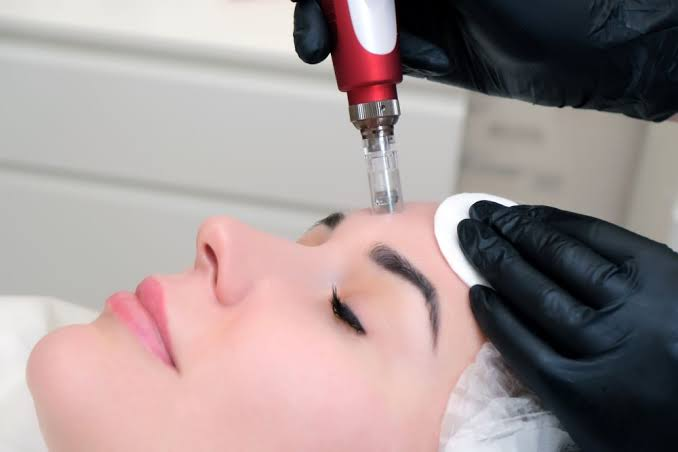
Microneedling is a skin rejuvenation treatment that works by encouraging the skin to activate its own natural repair mechanisms. While the procedure may appear relatively simple on the surface, a complex biological process begins beneath the skin once controlled micro-injuries are created. During treatment, fine needles create precise microscopic channels through the outer layers of the skin without removing large areas of tissue. These controlled channels signal the body that repair is needed, triggering a coordinated response involving inflammation, cell activity, collagen production, and tissue remodeling. Our approach to microneedling in Carlingford focuses on understanding this biological process rather than treating the skin as a surface alone. At Armitage Skin, we use microneedling as part of a considered skin rejuvenation approach designed to support healthier looking, smoother, and more refined skin over time.
What Happens Immediately After the Needling Begins
The first stage of the remodeling process begins as the microneedling device creates tiny channels in the skin. These microscopic openings are intentionally controlled so that the skin receives a repair signal while surrounding tissue remains largely intact. The body immediately recognizes these small injuries and begins a temporary inflammatory response, which is an important part of normal wound healing. Blood flow to the treated area can increase, and various signaling molecules are released to coordinate the next stages of repair. This response may contribute to temporary redness, warmth, sensitivity, or mild swelling following treatment. Rather than being an indication that the skin has been damaged excessively, these short term responses can reflect the activation of the body’s natural healing process.
The Skin’s Natural Healing Signals
Once the microchannels have been created, skin cells begin communicating through a series of biological signals. Growth factors and other signaling substances help coordinate the movement and activity of cells involved in tissue repair. These signals encourage processes such as cell proliferation, extracellular matrix production, and the formation of new structural components within the skin. Fibroblasts are particularly important because they are responsible for producing collagen and other components that contribute to the skin’s structural framework. As fibroblast activity increases, the skin begins moving from the initial inflammatory phase toward a more active repair and rebuilding phase. This cellular communication is one of the key reasons microneedling is considered a remodeling treatment rather than simply a superficial exfoliation procedure.
Collagen Production Beneath the Surface
Collagen is one of the most important structural proteins in the skin, providing strength, firmness, and support. As the skin responds to controlled microneedling, fibroblasts can become more active and contribute to the production of new collagen. The newly produced collagen does not appear instantly, because the body needs time to synthesize, organize, and integrate new structural proteins into existing tissue. Over the following weeks and months, gradual remodeling can improve the organization and quality of the skin’s supporting matrix. This gradual process is why results from microneedling are generally assessed over time rather than immediately after a treatment session. Our role is to create an appropriate treatment strategy that respects the biology of collagen formation and gives the skin sufficient time to progress through its natural remodeling cycle.
Elastin and the Skin’s Structural Network
Although collagen receives significant attention when discussing microneedling, the remodeling process involves more than one component of the skin’s extracellular matrix. Elastin contributes to the skin’s ability to stretch and return toward its original shape, while other matrix components help maintain hydration, structure, and communication between cells. Controlled stimulation can encourage broader repair activity within the treated area rather than targeting a single protein or isolated skin feature. As the tissue remodels, the relationship between collagen, elastin, and other structural components can influence the overall appearance and texture of the skin. This is particularly relevant when the goal is to improve the look of uneven texture, fine lines, or certain types of superficial scarring. The process is progressive, meaning the visible improvement develops as newly formed and reorganized tissue becomes integrated into the skin.
Why Results Develop Gradually
One of the most important concepts to understand about microneedling is that the treatment itself is only the beginning of the remodeling process. The needles create the controlled stimulus, but the body performs much of the subsequent repair work. Cellular activity continues after the treatment as the skin produces new structural proteins and reorganizes existing tissue. Early changes may involve improved circulation, temporary swelling, and changes in skin hydration, while longer term changes are associated more closely with collagen remodeling. Because these processes occur progressively, multiple sessions may sometimes be recommended depending on the individual’s skin condition and treatment objectives. We assess the skin carefully so that treatment frequency and intensity can be considered according to the person’s individual needs rather than following a one size fits all schedule.
How Microneedling Can Influence Skin Texture
Uneven skin texture can result from several factors, including previous acne, natural aging, environmental exposure, and changes in collagen structure. Microneedling can create a controlled stimulus that encourages the skin to remodel areas where the supporting tissue may appear uneven. As collagen production and tissue reorganization continue, the surface of the skin may gradually appear smoother and more refined. The extent of improvement depends on factors such as the nature of the concern, skin characteristics, treatment depth, aftercare, and the number of sessions performed. Microneedling should therefore be viewed as a gradual skin remodeling strategy rather than an instant resurfacing procedure. With an appropriate treatment plan, the goal is to encourage healthier looking skin while allowing the body’s own regenerative processes to contribute to the outcome.
What Happens During the Weeks After Treatment
The skin continues its repair process long after the visible redness from treatment has subsided. During the early period, the body is primarily focused on repairing the microscopic channels and restoring the skin barrier. As this initial phase progresses, fibroblast activity and extracellular matrix production become increasingly important to the longer term remodeling response. Collagen synthesis and reorganization take time, which means visible improvements may continue to develop well beyond the first few days. Some people may notice changes in skin softness or texture before more substantial structural improvements become apparent. We consider this gradual progression an important part of treatment planning because realistic expectations help patients understand why skin remodeling cannot be accurately judged immediately after a session.
Microneedling and the Skin Barrier
The skin barrier plays an essential role in protecting the body from environmental exposure and helping regulate moisture within the skin. Because microneedling temporarily creates microscopic channels, the barrier needs time to recover following treatment. During this period, appropriate post treatment care can help support barrier recovery and reduce unnecessary irritation. Harsh skincare products, excessive exfoliation, and avoidable environmental stress may interfere with the skin’s recovery and should be considered carefully after treatment. Protecting the skin from excessive ultraviolet exposure is also important because recently treated skin can be more vulnerable to irritation and pigmentation changes. At Armitage Skin, we take aftercare seriously because supporting the recovery phase is an important part of achieving a responsible and consistent treatment experience.
Why Professional Assessment Matters
Microneedling is not simply about moving a needling device across the skin. Treatment parameters need to be considered in relation to the individual’s skin type, condition, concerns, treatment area, and desired outcome. Different concerns may require different approaches, and not every person is an appropriate candidate for the same treatment protocol. A professional assessment can help identify factors that may influence treatment suitability, expected recovery, and the overall remodeling response. It also provides an opportunity to distinguish between concerns that may respond well to microneedling and those that may require another treatment approach. Our consultations are designed to ensure that the treatment plan is based on the condition of the skin rather than relying on a generic procedure for everyone.
Supporting the Remodeling Process After Treatment
The skin’s response to microneedling does not end when the treatment session finishes, which makes post treatment habits an important part of the overall process. Gentle skincare can help minimize unnecessary irritation while the skin barrier recovers. Consistent sun protection is particularly important because ultraviolet exposure can contribute to inflammation and pigmentation concerns while the skin is undergoing repair. Hydration and an appropriate skincare routine can also help maintain the condition of the skin as the remodeling process progresses. It is important not to accelerate the process by aggressively exfoliating or introducing irritating products before the skin has adequately recovered. A measured approach gives the skin the time it needs to complete the biological stages that contribute to longer term improvement.
Understanding the Difference Between Healing and Remodeling
Healing and remodeling are related processes, but they are not exactly the same. Healing involves restoring the skin after the controlled micro-injury, including repair of the temporary channels and recovery of the skin barrier. Remodeling extends beyond this initial recovery and involves changes to collagen, extracellular matrix organization, and the structure of the treated tissue. The early recovery period can therefore be relatively short compared with the longer period during which deeper structural changes may continue. This distinction helps explain why skin can look relatively normal again while the underlying remodeling process is still taking place. When we explain microneedling to patients, we emphasize that the visible recovery timeline and the biological remodeling timeline are two different things.
Choosing Microneedling in Carlingford
For people considering microneedling in Carlingford, understanding what happens beneath the skin can make the treatment process much easier to appreciate. The procedure creates a controlled stimulus, the skin responds through its natural healing mechanisms, and fibroblasts contribute to the production and organization of structural proteins. Over time, this activity can support improvements in the appearance and feel of the skin, although individual results vary according to skin characteristics and treatment goals. A suitable treatment plan should take into account the current condition of the skin, the concern being addressed, and the person’s ability to follow appropriate aftercare. Professional treatment is important because controlled stimulation needs to be balanced with the skin’s capacity to recover. At Armitage Skin, we focus on a carefully considered approach that supports the skin through each stage of the remodeling process rather than promising instant results.
A Gradual Approach to Healthier Looking Skin
Microneedling demonstrates how a carefully controlled treatment can work with the body’s natural biological processes. The visible treatment may take place during a relatively short appointment, but the cellular response continues well beyond the session. Inflammation, growth factor signaling, fibroblast activity, collagen production, and extracellular matrix remodeling all contribute to the broader process taking place beneath the skin. This is why patience is an important part of the treatment journey and why results should be evaluated over an appropriate period rather than immediately afterward. With professional assessment, suitable treatment parameters, and responsible aftercare, microneedling can form part of a structured approach to improving the appearance of skin texture and overall refinement. Understanding the science behind the procedure allows patients to make more informed decisions and approach skin remodeling with realistic expectations.