Chemical Peel Aftercare in North Epping: Why Post-Treatment Skin Protection Can Influence the Overall Experience
September 13, 2026Beyond Surface Glow: How Facial Exfoliation in Beecroft Can Influence Texture, Congestion and Skin Clarity
October 18, 2026
Understanding Why Skin Needs a More Individual Approach
Skin does not respond to every treatment in the same way, which is why a chemical peel should never be treated as a one-size-fits-all facial procedure. People living in Carlingford may experience a combination of environmental exposure, seasonal changes, indoor heating or cooling, and lifestyle factors that influence the condition of their skin. These factors can affect oil production, hydration levels, sensitivity, pigmentation, and the way the skin barrier responds to active ingredients. A standard facial may provide cleansing, exfoliation, hydration, and temporary surface improvement, but a chemical peel works through a more targeted interaction with the skin. The strength, formulation, application method, and treatment frequency can all influence the final outcome. At Armitage Skin, we approach chemical peel treatments with the understanding that effective skin resurfacing begins with identifying what the individual skin actually needs rather than simply choosing the strongest available treatment.
Why a Standard Facial May Not Address Every Concern
Facials are valuable for maintaining healthy-looking skin, but they generally focus on surface-level cleansing, hydration, nourishment, and gentle exfoliation. They can be particularly useful when the primary goal is to refresh dull skin or maintain a consistent skincare routine. However, concerns such as persistent pigmentation, uneven texture, acne-related marks, congestion, and visible signs of premature ageing may require a more targeted approach. Chemical peels can introduce carefully selected acids that encourage controlled exfoliation and support the skin renewal process. This does not mean that a chemical peel is automatically better than a facial, because the appropriate treatment depends on the person’s skin condition and objectives. Instead, it means that different treatments serve different purposes and should be selected according to the biological needs of the skin.
How Carlingford Conditions Can Influence Skin Behaviour
The local environment can play a role in how skin behaves and how it tolerates professional treatments. Changes in temperature and humidity can influence moisture retention, while sun exposure can contribute to pigmentation and cumulative skin damage. Daily exposure to environmental pollutants can also leave the skin feeling congested or looking less radiant. Lifestyle factors such as stress, sleep patterns, exercise, diet, skincare habits, and occupational exposure can further influence oil production and skin barrier function. When these factors are combined, two people with apparently similar skin types can respond very differently to the same peel formulation. For this reason, treatment planning should consider the current condition of the skin rather than relying solely on a broad label such as oily, dry, combination, or sensitive.
Choosing the Right Chemical Peel Intensity
The strength of a chemical peel should be determined by the condition of the skin and the desired treatment outcome. A mild peel may be appropriate for someone looking to improve dullness, mild congestion, or overall skin smoothness without requiring significant downtime. Another person with more established pigmentation or textural concerns may potentially benefit from a different formulation or treatment approach. Stronger does not automatically mean more effective, because excessive exfoliation can compromise the skin barrier and create unwanted irritation. Professional assessment is therefore important when determining the concentration, type, exposure time, and frequency of treatment. A carefully planned series of appropriate treatments can often provide a more controlled pathway toward skin improvement than attempting to achieve dramatic results from a single aggressive session.
Considering Pigmentation Before Treatment
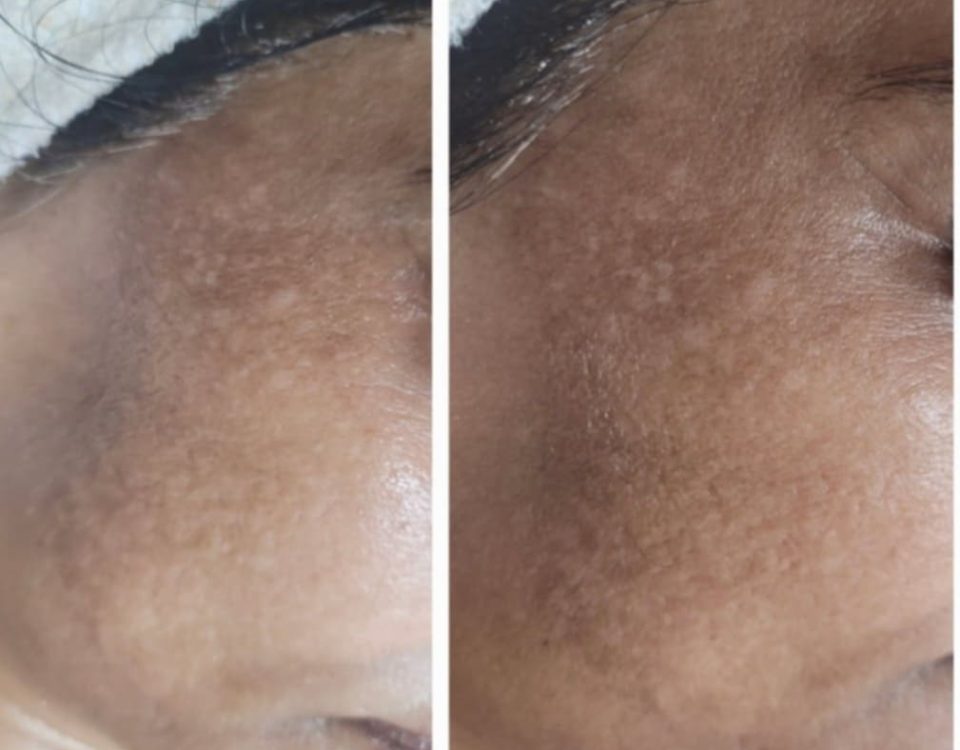
Pigmentation is one of the reasons why chemical peel strategies may need to be carefully individualized. Uneven pigmentation can have different underlying causes, including sun exposure, post-inflammatory changes, hormonal influences, and previous skin irritation. Applying an aggressive exfoliating treatment without considering the source of pigmentation may not produce the desired result and can sometimes increase inflammation. Skin that is prone to post-inflammatory pigmentation may require particularly careful treatment selection and preparation. Sun protection is also an essential part of any pigmentation-focused skincare strategy because ultraviolet exposure can continue to stimulate pigment production. A professional assessment can help determine whether a chemical peel is suitable and how it should fit into a broader approach to managing uneven skin tone.
Acne, Congestion, and Active Breakouts
Chemical peels can also be considered for certain acne-prone and congested skin concerns, but the strategy should depend on the condition of the skin at the time of treatment. Excess oil, blocked pores, inflammatory lesions, and post-acne marks can require different considerations. A peel selected for mild congestion may not be appropriate for skin experiencing significant irritation or a compromised barrier. The current skincare routine is also important because products containing retinoids, exfoliating acids, or other active ingredients can influence how the skin responds to professional exfoliation. Adjustments may sometimes be required before and after treatment to support a controlled recovery process. Our approach is to consider the overall skin environment rather than viewing acne or congestion as an isolated surface problem.
Sensitive Skin Requires Additional Consideration
Sensitive skin can be particularly important when planning chemical exfoliation because the goal is to stimulate renewal without creating unnecessary irritation. Sensitivity can be temporary or ongoing, and it may be influenced by weather, skincare products, over-exfoliation, dehydration, or a weakened skin barrier. A person who experiences redness or stinging from ordinary skincare products may require a more conservative treatment strategy than someone with resilient skin. Treatment preparation can also influence how comfortably the skin tolerates a peel. Professional guidance can help determine whether the skin is ready for treatment and whether a gentler formulation or different treatment interval would be more appropriate. The objective should always be controlled skin improvement rather than aggressive exfoliation for its own sake.
Skin Preparation Can Affect the Final Outcome
Good preparation is an important part of achieving a predictable chemical peel experience. The skin may need time to settle before treatment if it has recently been exposed to excessive exfoliation, sun exposure, irritation, or other procedures. A professional can review the products being used at home and identify ingredients that may need to be adjusted before the appointment. Hydration and barrier condition are also relevant because healthier skin may be better positioned to tolerate a controlled exfoliation process. Preparation is not simply about making the skin ready for the treatment itself, because it can also help reduce avoidable complications. When treatment planning includes preparation, application, recovery, and ongoing skincare, the peel becomes part of a structured skin management strategy rather than an isolated appointment.
Recovery Is Part of the Treatment Strategy
The period following a chemical peel is just as important as the treatment itself. Depending on the formulation and individual response, the skin may experience temporary dryness, tightness, sensitivity, redness, or visible peeling. These reactions can vary significantly from one person to another, so aftercare should be tailored to the treatment and the condition of the skin. Gentle skincare and appropriate sun protection are particularly important while the skin is recovering. Introducing strong active ingredients too quickly may create unnecessary irritation and interfere with the recovery process. Following professional aftercare recommendations can help support the skin barrier and maintain the improvements achieved through treatment.
Why Treatment Timing Can Make a Difference
Chemical peels are not necessarily treatments that should be scheduled without considering what the skin will experience before and after the appointment. Upcoming holidays, outdoor activities, sporting events, significant sun exposure, and other cosmetic procedures may affect whether a particular treatment is appropriate at a specific time. Skin that has recently experienced intense environmental exposure may also need additional recovery before undergoing professional exfoliation. Planning treatment around lifestyle commitments can make the recovery period more manageable and reduce unnecessary exposure to conditions that may irritate freshly treated skin. Seasonal considerations may also influence how frequently certain treatments are performed. A personalised schedule allows treatment intensity and timing to work together rather than treating each appointment as a completely separate event.
Building a Personalised Peel Program
A personalised chemical peel program should be based on realistic objectives, current skin condition, previous treatment history, and tolerance. Some people may be interested in improving overall brightness, while others may want to focus on pigmentation, congestion, texture, or signs of ageing. These concerns may require different formulations, treatment intervals, and supporting skincare. Results may also develop progressively rather than appearing immediately after one session. Regular assessment allows the treatment approach to be adjusted as the skin changes over time. At Armitage Skin, we believe the most effective approach is to create a strategy that respects the individual characteristics of the skin while working toward clearly defined cosmetic goals.
Chemical Peels Versus Routine Facial Treatments
The choice between a chemical peel and a conventional facial should ultimately depend on what the person wants to achieve. A facial can be an excellent option for routine maintenance, hydration, cleansing, and creating a refreshed appearance. A chemical peel may be considered when more targeted exfoliation is appropriate for concerns involving texture, pigmentation, congestion, or overall skin renewal. Neither treatment should be viewed as universally superior because the appropriate choice depends on the individual’s skin and treatment objectives. In some cases, professional treatments may be used as complementary parts of a longer-term skincare plan rather than competing alternatives. Understanding this distinction helps people make more informed decisions instead of choosing a treatment simply because it is described as stronger or more intensive.
Making Skin Resurfacing More Strategic
The key to effective chemical peel treatment is not simply selecting an acid and applying it to the skin. It involves understanding the skin’s current condition, identifying the primary concern, considering sensitivity and pigmentation risk, preparing appropriately, and planning suitable aftercare. Environmental and lifestyle factors can also influence how the skin behaves throughout the treatment process. This is particularly relevant when someone has previously experienced irritation or inconsistent results from standard facial treatments. A strategic approach allows professional exfoliation to be integrated with daily skincare and broader skin health goals. With the right assessment and treatment planning, chemical peels can become a carefully controlled component of a personalised skincare routine rather than an aggressive procedure pursued for short-term results.
Start With Your Skin, Not a Treatment Trend
Every skin type has different requirements, and the most appropriate chemical peel strategy should reflect those differences. What produces a comfortable and effective experience for one person may be unsuitable for another, particularly when pigmentation, sensitivity, acne, dehydration, or barrier concerns are present. Rather than selecting a treatment based solely on its strength or popularity, it is better to begin with a professional evaluation of the skin and its goals. This can help establish whether a chemical peel is appropriate and what level of treatment may be suitable. With thoughtful preparation, controlled treatment, and consistent aftercare, the focus can remain on sustainable skin improvement. Armitage Skin can help you understand your skin’s individual requirements and develop a professional treatment approach designed around those needs.