Facial Rejuvenation Beecroft: How Combining Texture, Hydration, and Collagen Strategies Can Transform Skin Appearance
September 13, 2026Skin Tightening in West Pennant Hills: Why Collagen Remodelling Is a Gradual Process Rather Than an Instant Result
September 13, 2026How Dermaplaning Differs From Other Professional Facial Exfoliation Techniques

Understanding Professional Facial Exfoliation
Professional facial exfoliation has become an important part of modern skincare because accumulated dead skin cells can contribute to a dull, uneven and rough-looking complexion. However, not every exfoliation treatment works in the same way or addresses the same skin concerns. Dermaplaning is a physical exfoliation technique that uses a specialized blade to carefully remove the outermost layer of dead skin cells while also removing fine facial hair. Microdermabrasion, chemical peels, dermabrasion and other resurfacing procedures use different mechanisms and can vary significantly in intensity, depth and recovery requirements. Understanding these distinctions can make it easier to choose a treatment that matches specific skin goals rather than selecting a procedure based solely on popularity. At Armitage Skin, we believe informed treatment decisions begin with understanding what each professional exfoliation technique is designed to accomplish.
What Is Dermaplaning?
Dermaplaning is a minimally invasive cosmetic procedure in which a trained professional uses a specialized instrument to gently skim the surface of the skin. The technique removes superficial dead skin cells and vellus hair, commonly known as peach fuzz, from the treated area. Because the treatment physically removes these surface materials, the skin can immediately feel smoother and appear brighter. Dermaplaning is generally focused on superficial exfoliation rather than deeper resurfacing, which helps distinguish it from more aggressive procedures. The treatment can also create a smoother surface for skincare products or subsequent cosmetic treatments, although suitability for combining procedures should always be assessed professionally. Cleveland Clinic describes professional dermaplaning as a procedure that removes the uppermost layers of skin and can improve the appearance of certain superficial imperfections.
Dermaplaning Compared With Microdermabrasion
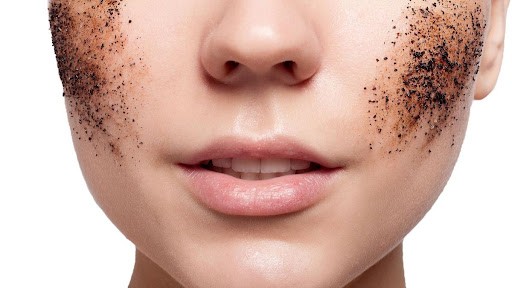
Microdermabrasion is another physical exfoliation technique, but its method of removing surface skin differs from dermaplaning. Rather than using a blade to skim the skin, microdermabrasion uses a specialized device to gently abrade the outermost layer, with professional systems commonly incorporating abrasive surfaces and controlled suction. The treatment is designed to address concerns such as dullness, uneven texture, mild discoloration and some superficial signs of skin aging. The American Academy of Dermatology notes that microdermabrasion gently exfoliates the skin and can improve smoothness, brightness and evenness after a series of treatments. Dermaplaning has the additional distinctive feature of removing vellus facial hair, while microdermabrasion primarily focuses on mechanical exfoliation. The choice between the two therefore depends on whether the primary goal is surface smoothing alone or a combination of exfoliation and facial hair removal.
How Chemical Peels Are Different
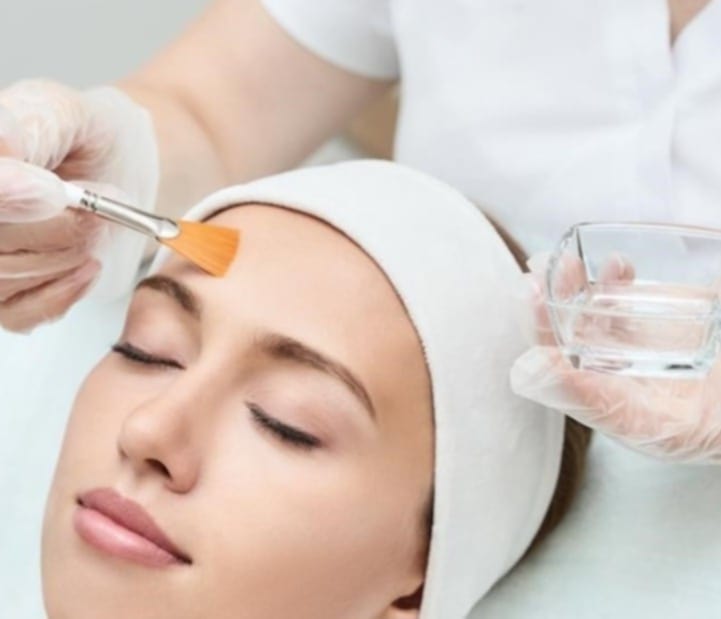
Chemical peels differ from dermaplaning because they rely on carefully selected chemical solutions rather than a blade or abrasive device. During a professional chemical peel, an appropriate chemical solution is applied to the skin to encourage controlled exfoliation of targeted layers. The depth and intensity of a peel can vary considerably depending on the formulation, concentration, application technique and treatment objective. Chemical peels may be used for concerns including uneven pigmentation, acne, dullness, rough texture, fine lines and certain forms of sun damage. The American Academy of Dermatology explains that chemical peels can address several cosmetic and dermatological concerns and that some peels require recovery time depending on their depth and formulation. Dermaplaning, by comparison, provides direct mechanical exfoliation at the skin surface and does not depend on a chemical exfoliating agent.
Dermaplaning Versus Traditional Dermabrasion
It is important not to confuse dermaplaning with dermabrasion because the names sound similar even though the procedures can differ substantially in intensity. Traditional dermabrasion is a more aggressive resurfacing procedure that uses specialized equipment to remove deeper layers of the skin than routine dermaplaning or microdermabrasion. Cleveland Clinic describes dermabrasion as an abrasive resurfacing procedure that can be used for concerns such as certain scars, wrinkles and irregularities, and it generally involves more significant healing requirements. Dermaplaning is generally much more superficial when performed as a facial exfoliation service and is often selected for immediate surface smoothing and removal of fine facial hair. The difference in depth means these treatments should not be considered interchangeable simply because both involve physical removal or resurfacing of skin. A professional assessment is especially important when someone is considering a more intensive resurfacing procedure for scars, pronounced texture changes or other persistent concerns.
Where Microneedling Fits Into the Comparison
Microneedling is frequently discussed alongside professional exfoliation treatments, but it works through a fundamentally different mechanism. Instead of removing dead surface skin cells, microneedling uses very fine needles to create controlled micro-injuries within the skin. This process is intended to stimulate the skin’s natural healing response and can be used as part of treatment plans for concerns such as acne scars, fine lines and uneven texture. Because microneedling affects the skin differently from superficial exfoliation, it should not be viewed simply as a stronger version of dermaplaning. Cleveland Clinic identifies microneedling as a separate facial rejuvenation approach from chemical peels, dermabrasion and microdermabrasion. Dermaplaning is therefore better understood as a surface-focused exfoliation technique, while microneedling belongs to a different category of skin rejuvenation procedures.
The Importance of Treatment Depth
One of the most important differences between professional exfoliation treatments is the depth at which they work. Dermaplaning primarily targets the outermost surface of the skin, making it particularly relevant when the goal is to remove superficial dead skin cells and vellus hair. Microdermabrasion also focuses on the superficial layer, but the skin is exfoliated through controlled abrasion rather than blade-based treatment. Chemical peels can range from relatively superficial exfoliation to deeper treatments, depending on the formulation and professional application. More intensive resurfacing procedures can reach deeper layers and consequently may involve greater recovery requirements and different risk considerations. Understanding depth helps explain why one procedure may be ideal for a quick surface refresh while another may be selected for more significant texture, pigmentation or scarring concerns.
Texture, Brightness and Skin Smoothness
Many people consider dermaplaning because they want their complexion to look smoother, fresher and more polished. Removing surface buildup can improve the tactile feel of the skin, while removing fine facial hair can create a particularly smooth finish. Microdermabrasion can also improve the feel and appearance of dull or uneven skin by mechanically exfoliating the surface. Chemical peels can address similar concerns through chemical exfoliation while potentially targeting pigmentation and other concerns depending on the peel selected. The appropriate option depends on the individual’s skin condition, goals, tolerance and treatment history rather than simply choosing the procedure that promises the most dramatic result. Professional guidance can help establish whether a superficial treatment is appropriate or whether another resurfacing approach would better address the underlying concern.
Why Skin Type and Condition Matter
A professional exfoliation treatment should never be selected solely because it is trending or because someone has seen impressive results online. Skin type, current skin condition, sensitivity, pigmentation tendencies, active breakouts, previous treatments and skincare products can all influence whether a particular procedure is appropriate. Certain medications and recent procedures can also affect how the skin responds to exfoliation and how long it needs to recover. The American Academy of Dermatology recommends professional assessment in circumstances where particular risk factors may increase the possibility of complications from procedures such as microdermabrasion. A trained professional can evaluate the condition of the skin before deciding whether dermaplaning or another treatment is suitable. This individualized approach is particularly important because the safest and most effective procedure is not necessarily the same for every person.
What Makes Dermaplaning Appealing?
One of the defining advantages of dermaplaning is that it combines superficial physical exfoliation with temporary removal of vellus facial hair. This combination can give the skin a notably smooth surface without requiring the deeper resurfacing associated with procedures such as traditional dermabrasion. Many people also appreciate that dermaplaning can be incorporated into a broader professional skincare program when appropriate. The treatment can be useful when the primary objective is to improve the feel and appearance of the skin surface rather than address a deeply established scar or significant structural concern. However, results are not permanent because the skin naturally continues to shed cells and facial hair naturally grows back. Cleveland Clinic notes that dermaplaning can temporarily improve the appearance of the skin and that removed facial hair will eventually return.
Comparing Recovery and Downtime
Recovery requirements are another factor that separates superficial exfoliation from more intensive resurfacing. Dermaplaning is generally considered a minimally invasive procedure, although temporary redness, sensitivity or irritation can occur depending on the individual and the way the skin responds. Microdermabrasion also generally has limited downtime because it targets the uppermost layer of skin, although temporary redness and sensitivity can occur. Chemical peels vary much more widely because superficial peels and deeper peels can produce very different levels of peeling and recovery. Traditional dermabrasion is considerably more intensive and can involve crusting and a longer healing period. For this reason, comparing treatments based only on the procedure name can be misleading because intensity, technique and individual response all influence the recovery experience.
Choosing the Right Professional Exfoliation Treatment
The best professional exfoliation technique is ultimately the one that aligns with the skin’s condition and the person’s specific objectives. Someone primarily seeking surface smoothing and temporary facial hair removal may find dermaplaning particularly suitable, while another person with pigmentation or certain signs of sun damage may benefit from a professionally selected chemical peel. Microdermabrasion can be appropriate when controlled mechanical exfoliation is the primary objective, while more intensive resurfacing procedures may be considered for selected scars or pronounced skin irregularities. These options should not be treated as a universal hierarchy in which one procedure is automatically better than another. Instead, each technique has its own mechanism, treatment depth, benefits, limitations and recovery considerations. A professional consultation allows the treatment plan to be based on the actual condition of the skin rather than on general claims about a particular procedure.
Professional Care Makes a Difference
Professional exfoliation requires more than simply selecting a device, blade or chemical solution because technique and patient selection influence both results and safety. A trained provider can assess the skin before treatment, identify factors that may require postponement and determine whether the desired procedure is appropriate. This assessment can also help prevent excessive exfoliation, inappropriate treatment combinations or unnecessary irritation. Professional care is particularly important when someone has active skin concerns, a history of unusual scarring, significant pigmentation issues or recent use of treatments that can affect skin sensitivity. The American Academy of Dermatology and Cleveland Clinic both emphasize the importance of appropriate professional oversight for cosmetic resurfacing procedures. At Armitage Skin, we approach exfoliation as part of an individualized skincare strategy rather than treating every complexion with the same procedure.
Building a Smarter Skincare Strategy
Dermaplaning can be an effective option for people seeking superficial exfoliation and temporary removal of fine facial hair, but it is only one of several professional approaches available today. Microdermabrasion offers mechanical exfoliation through controlled abrasion, while chemical peels use chemical agents to produce a targeted exfoliating response. Traditional dermabrasion and microneedling operate differently again and may be selected for specific concerns that require approaches beyond routine surface exfoliation. The important consideration is not which treatment is universally superior, but which treatment is appropriate for the individual’s skin, goals and tolerance. Understanding these differences makes it easier to have a productive conversation with a qualified skincare professional and establish realistic expectations. With the right assessment and treatment strategy, professional exfoliation can become a thoughtful component of a broader approach to maintaining smoother, healthier-looking skin.